
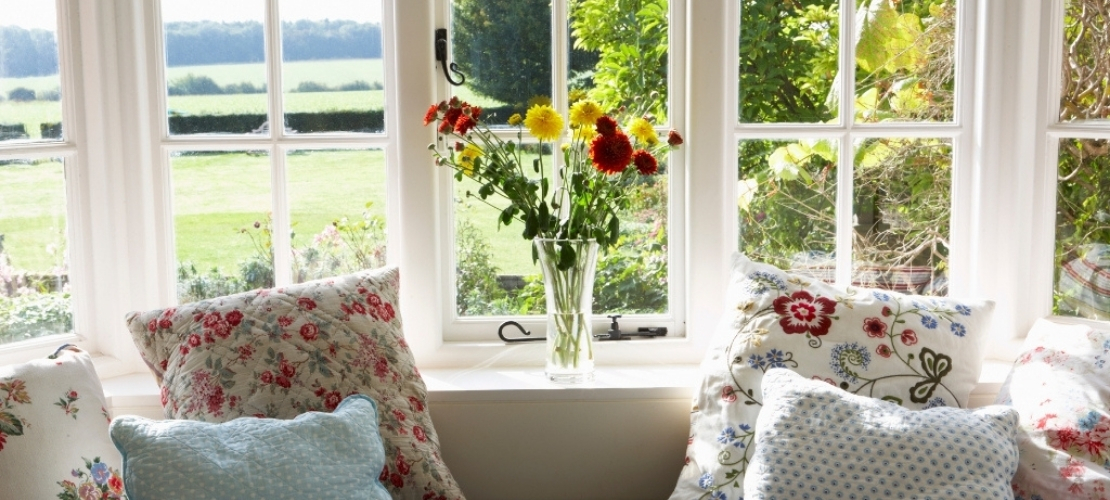
In recent years, the demand for energy-efficient homes has risen dramatically, driven by growing environmental awareness and the need to reduce long-term energy costs. Modern homeowners and developers now prioritize sustainable materials, improved insulation, and advanced window and door systems that enhance overall performance. Europa Fenestra has been a key contributor in this shift, offering solutions that support both comfort and sustainability.
With innovative designs, superior insulation properties, and precision-engineered systems, our uPVC and aluminium products help minimize energy loss while maximizing natural light and ventilation. These features not only reduce electricity consumption but also create healthier and more comfortable living environments.
Europa Fenestra continues to empower smart, eco-conscious living—making energy-efficient homes the new benchmark for modern residential design.
uPVC has proved its worth as far as strength and versatility is concerned. Thus, unlike other conventional materials, like wood, which warp, rot, or require constant maintenance, uPVC is far less prone to wear from the environment. It is resistant to water, UV radiation, and chemical pollutants. These qualities make them particularly good for windows and doors, even in extreme weather conditions or in areas where there is a heightened level of pollution.
But where uPVC really merits distinction is in its contribution to sustainability. As a recyclable material, uPVC does not involve the inappropriate extraction of resources from nature. Regarding longevity, almost always for over 25 years, the minimized frequency of replacements means less resultant waste over the long run of things. uPVC manufacture is the least energy-intensive procedure and gives out fewer carbon emissions in contrast to other materials.
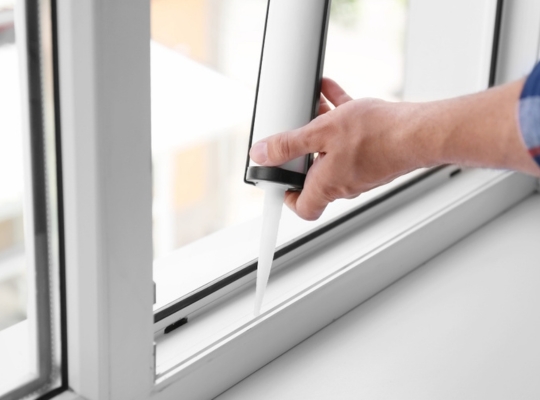
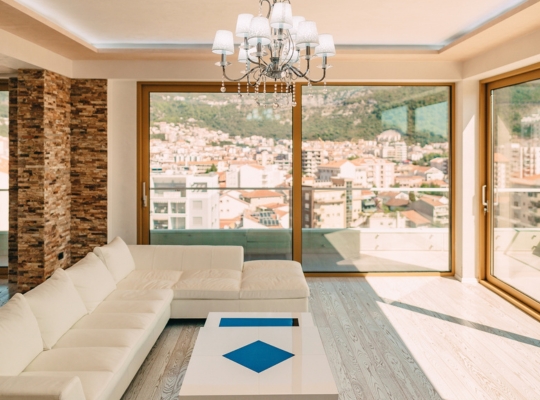
Most certainly, one of the greatest advantages of uPVC doors and windows are their outstanding thermal insulation. This material is very valuable because uPVC acts as a poor heat conductor, which technically disables the transmission process that occurs between the outside and inside of a building. This feature really comes in handy during the maintenance of constant indoor temperatures, reducing the degree of heating and cooling.
In practical terms, such an energy-efficient system literally means less spending on energy by home and business owners. Cutting down on reliance on space heating and air conditioning respectively helps to reduce overall energy use, which in turn helps reduce greenhouse gases, making uPVC an important ingredient in contemporary, sustainable buildings.
An increasing concern for the environmental impact and facing of traditional materials such as wood, with deforestation constantly threatening the world’s forests, uPVC provides an acceptable alternative in the continued preservation of these vital ecosystems. Using uPVC windows and doors helps in the conservation of forests because they ensure elements of carbon sequestration and biodiversity.
Besides, uPVC is long-lasting and can be recycled, which makes it the more environmentally friendly option when the complete lifecycle proves to be less friendly to other non-recyclable material. After the utility period of the uPVC products ends, recycling can then take place for reuse, reducing waste and associated environmental problems.
As the search for sustainable alternative materials in construction increases, uPVC emerges as one of the most suitable alternative materials for domestic and commercial end users. Europa Fenestra's uPVC window and door systems provide quality, energy efficiency, and sustainability all through, so by installing these, you can know you are making the right choice for installing in a new construction or for retrofits in already existing structures. The choice made in uPVC enhances the space you’ve got and meets the need for sustainability at large.